When it comes to preparing metal plates for welding, the choice between single and double bevels can significantly impact the quality and efficiency of the weld. This decision is particularly relevant in the context of stainless steel plate beveling, where precision and durability are paramount.
 |
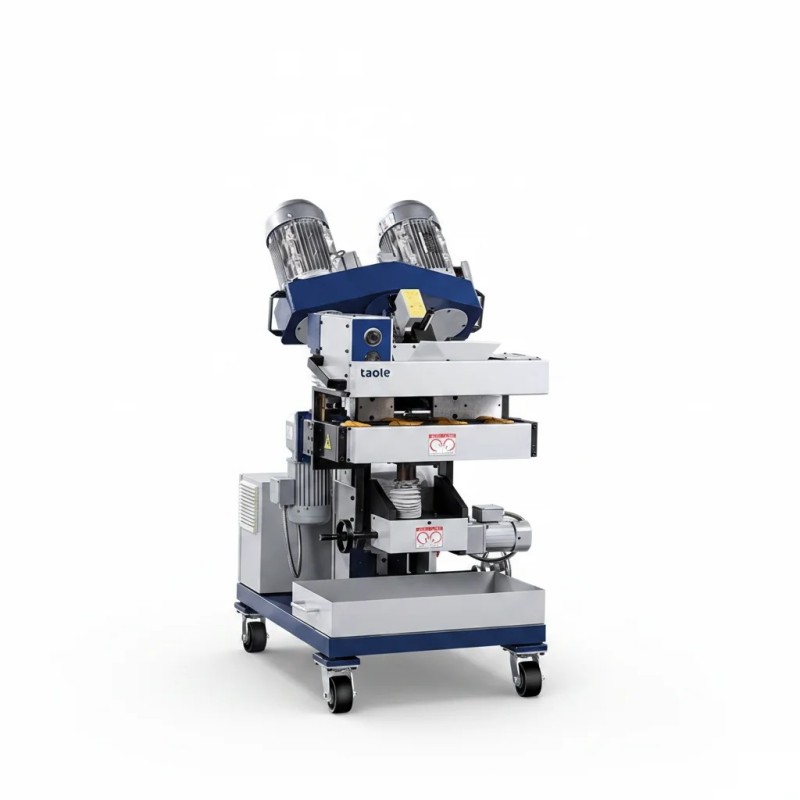 |
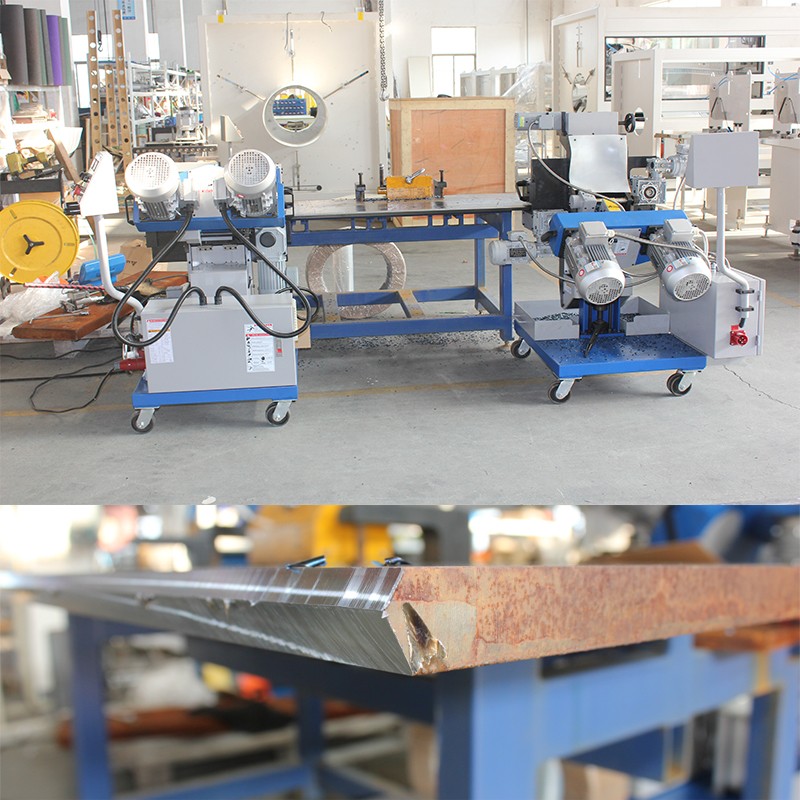
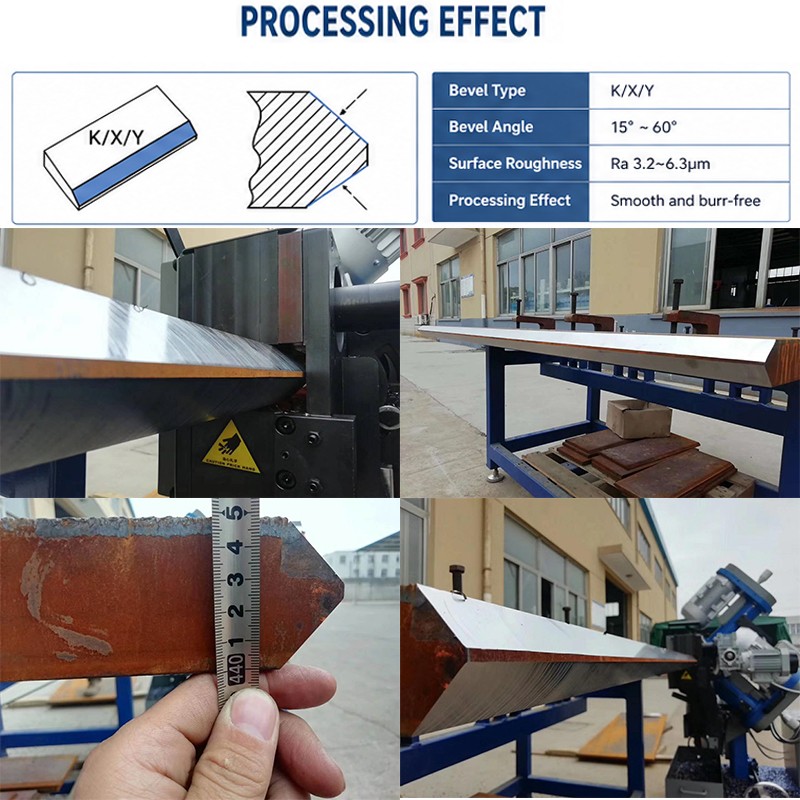
Heavy-duty metal plate beveling machines are designed to handle various bevel types, including both single and double bevels. A single bevel involves cutting at an angle on one side of the plate, while a double bevel features angled cuts on both sides. The choice between these two methods often depends on the specific requirements of the welding project.
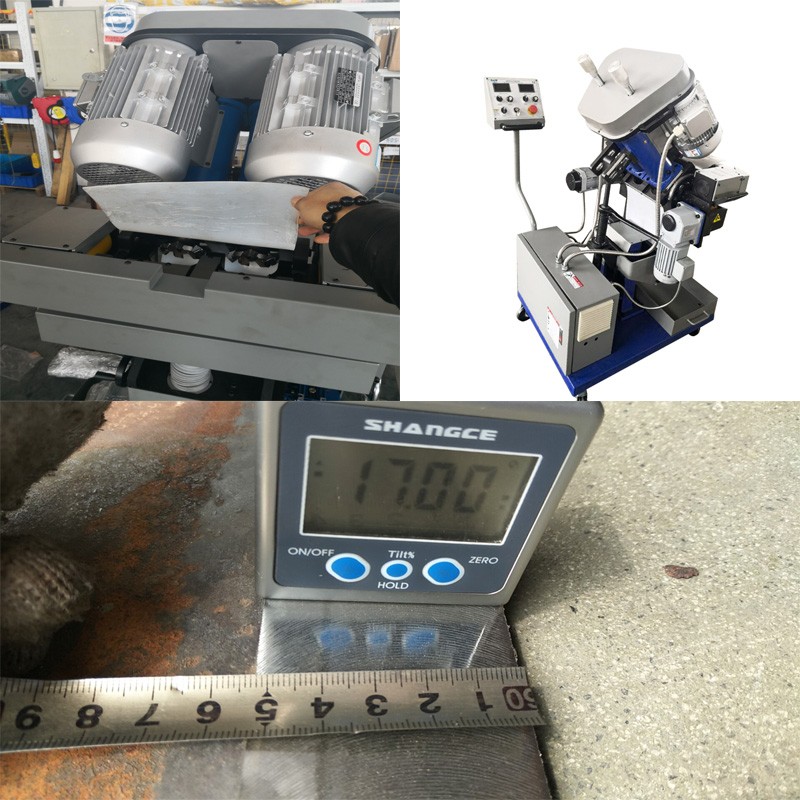
High precision plate beveling for welding is crucial, especially in industries where structural integrity is non-negotiable. Single bevels are typically easier to execute and can be sufficient for many applications, especially when working with thinner materials. They allow for quicker setups and can be more cost-effective, making them a popular choice for many fabricators.
 |
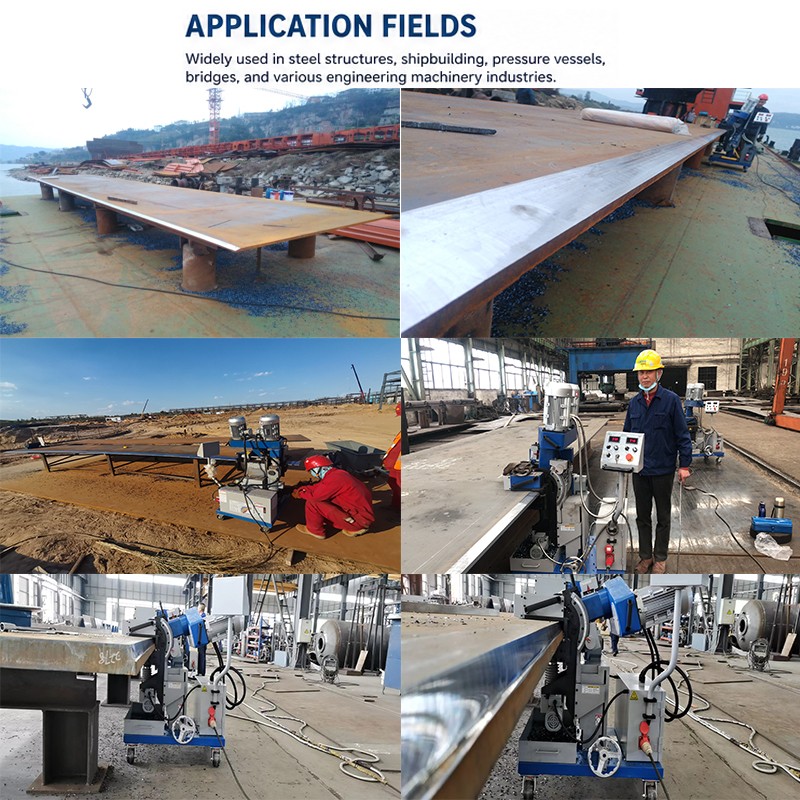 |
On the other hand, double bevels provide a larger surface area for welding, which can enhance the strength of the joint. This is particularly beneficial in heavy-duty applications where the welded joint will be subjected to significant stress. The use of a plate beveling machine that can efficiently create double bevels ensures that the welds are not only strong but also aesthetically pleasing.
 |
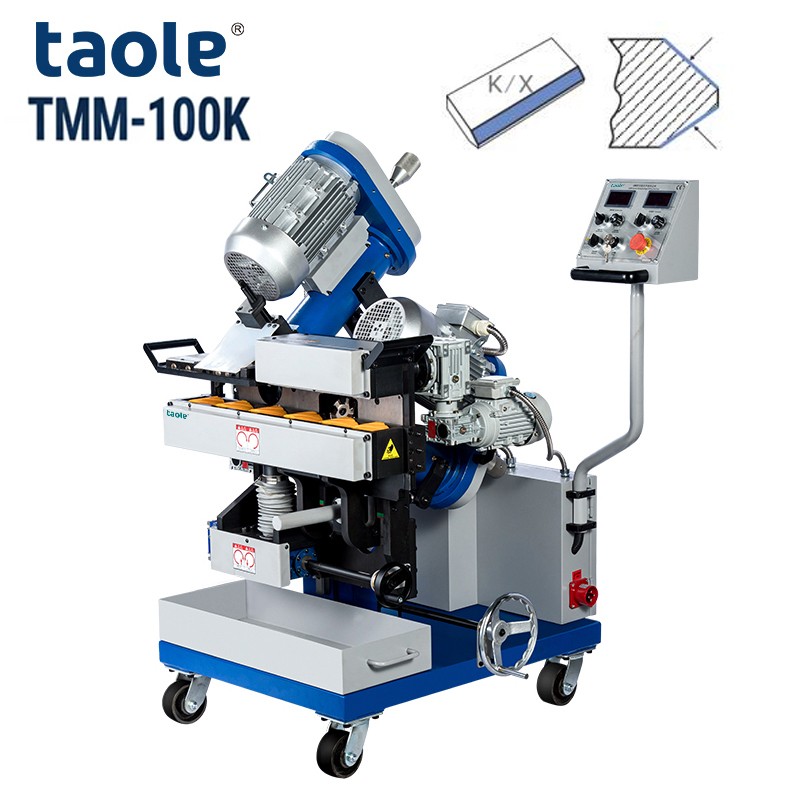 |
Ultimately, the decision between single and double bevels should be guided by the specific requirements of the project, including material thickness, joint design, and the expected load on the weld. For those working with stainless steel, investing in a high-quality beveling machine that can handle both types of bevels will provide the flexibility needed to meet diverse welding needs. In conclusion, while both bevel types have their advantages, the choice should align with the project’s demands for optimal results.
Post time: May-07-2026