Beveling is a crucial process in metalworking, woodworking, and various manufacturing industries. It involves creating a sloped edge on a workpiece, which can enhance both aesthetics and functionality. A metal edge beveling machine is an essential tool for achieving precise bevels efficiently. However, even experienced operators can make mistakes that compromise the quality of the bevel and the overall project. In this article, we will explore common mistakes when beveling and how to avoid them.
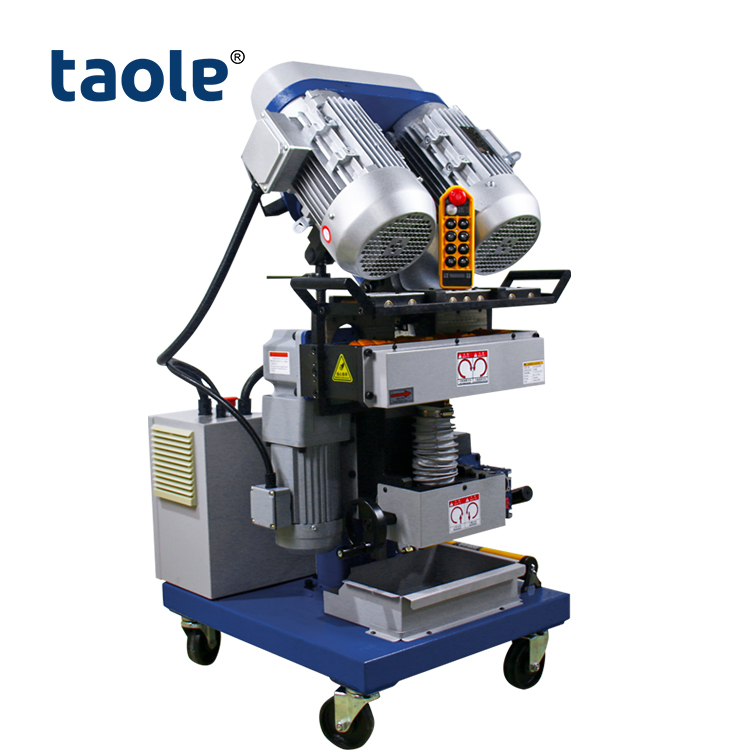
1. Incorrect Machine Setup
One of the most frequent mistakes when using a beveling machine is improper setup. Before starting the beveling process, it is vital to ensure that the machine is correctly calibrated for the specific material and thickness of the workpiece. Failing to adjust the machine settings can lead to uneven bevels, excessive material removal, or even damage to the workpiece. Always refer to the manufacturer's guidelines and perform a test run on a scrap piece to confirm the settings.
2. Ignoring Material Properties
Different materials require different beveling techniques and settings. For instance, stainless steel, aluminum, and wood all have unique characteristics that affect how they should be beveled. A common mistake is using the same beveling parameters across various materials without considering their specific properties. This can result in poor edge quality, excessive wear on the beveling machine, and increased production time. Always take the time to understand the material you are working with and adjust your approach accordingly.
3. Inadequate Tool Maintenance
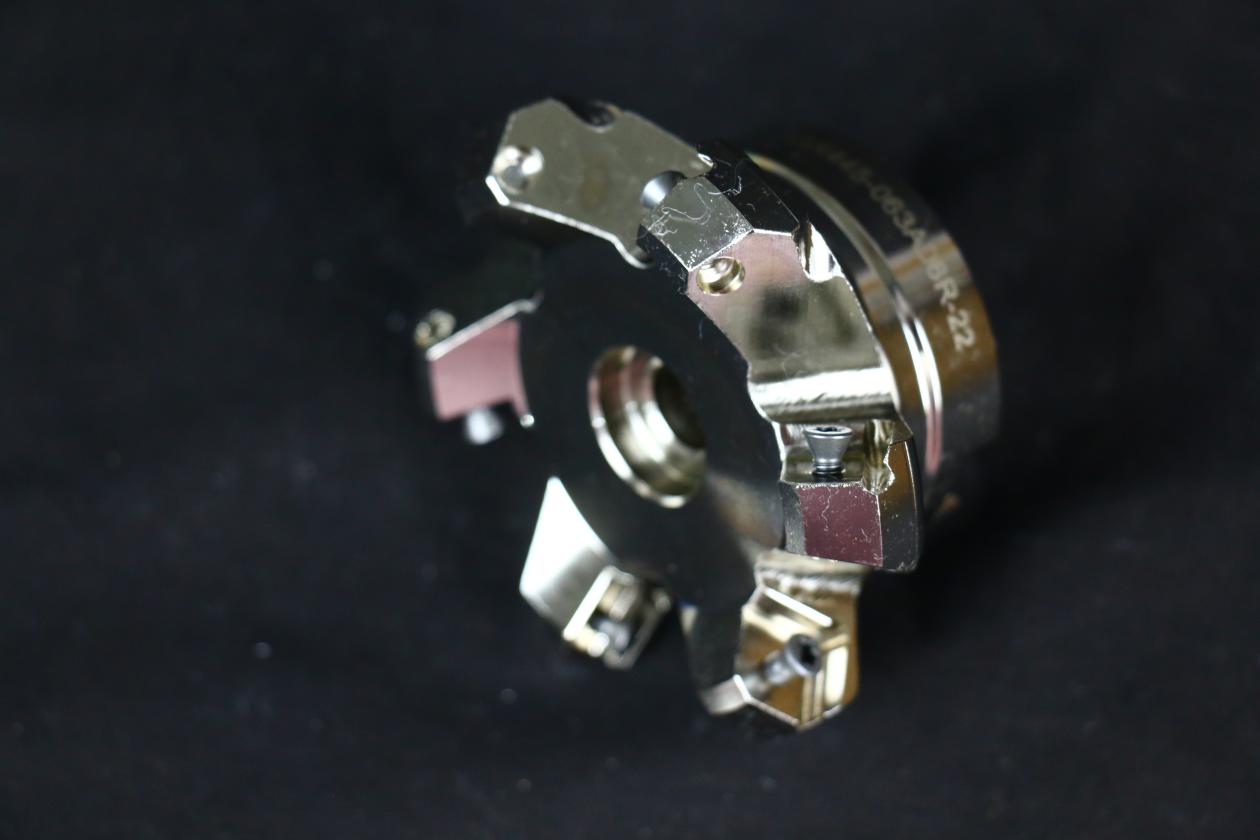
A beveling machine relies on sharp and well-maintained tools to produce clean and accurate bevels. Neglecting tool maintenance is a common mistake that can lead to dull blades, which in turn can cause rough edges and inconsistent bevels. Regularly inspect and replace worn tools, and ensure that they are properly sharpened. Additionally, keep the machine clean and lubricated to ensure optimal performance.
4. Rushing the Process
In the fast-paced world of manufacturing, there is often pressure to complete tasks quickly. However, rushing the beveling process can lead to mistakes that compromise quality. Operators may skip essential steps, such as proper alignment or thorough inspection of the workpiece, resulting in subpar bevels. It is crucial to take the time to perform each step carefully, ensuring that the beveling machine operates smoothly and produces the desired results.
5. Neglecting Safety Protocols
Safety should always be a top priority when operating a durable edge milling machine. A common mistake is overlooking safety protocols, which can lead to accidents and injuries. Operators should always wear appropriate personal protective equipment (PPE), such as safety glasses, gloves, and hearing protection. Additionally, ensure that the work area is clear of hazards and that all safety features of the beveling machine are functioning correctly.
6. Failing to Inspect the Finished Bevel
After completing the beveling process, it is essential to inspect the finished product for quality. A common oversight is failing to check for inconsistencies, rough edges, or other defects. Taking the time to perform a thorough inspection can save time and resources in the long run, as it allows for corrections before the workpiece moves on to the next stage of production.
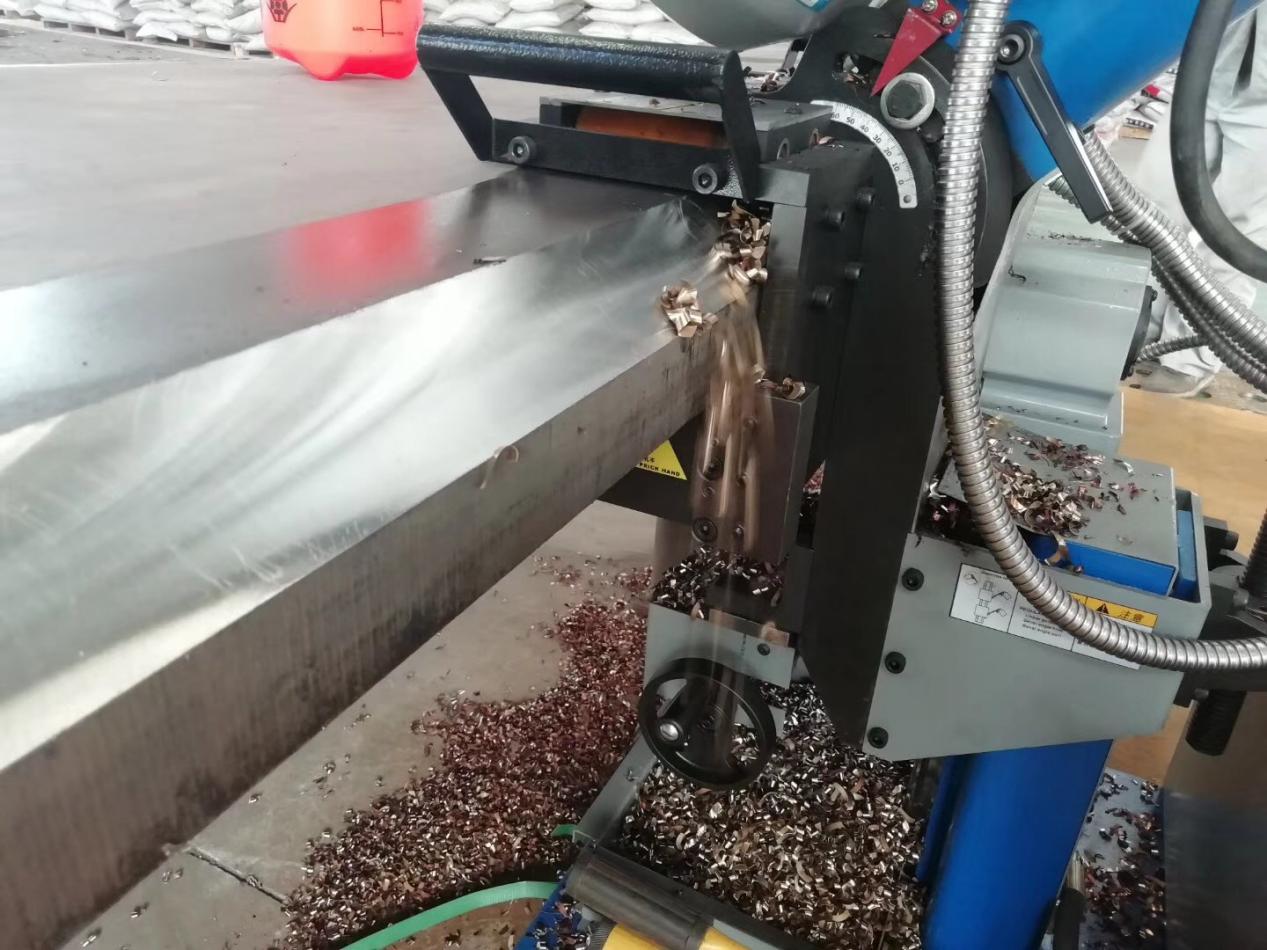
In conclusion, while steel plate beveler are powerful tools that can enhance productivity and precision, operators must be aware of common mistakes that can occur during the beveling process. By ensuring proper machine setup, understanding material properties, maintaining tools, taking the time to perform the process carefully, adhering to safety protocols, and inspecting finished bevels, operators can achieve high-quality results and avoid costly errors.
Post time: Feb-05-2026