In the world of metal fabrication, precision is paramount. Whether you are working with a plate beveling machine or a double head edge milling machine, understanding how to calculate the bevel angle of a plate is essential for achieving the desired results. This article will guide you through the process of calculating bevel angles while also exploring the capabilities of edge milling machines designed for straight edges.
Understanding Bevel Angles
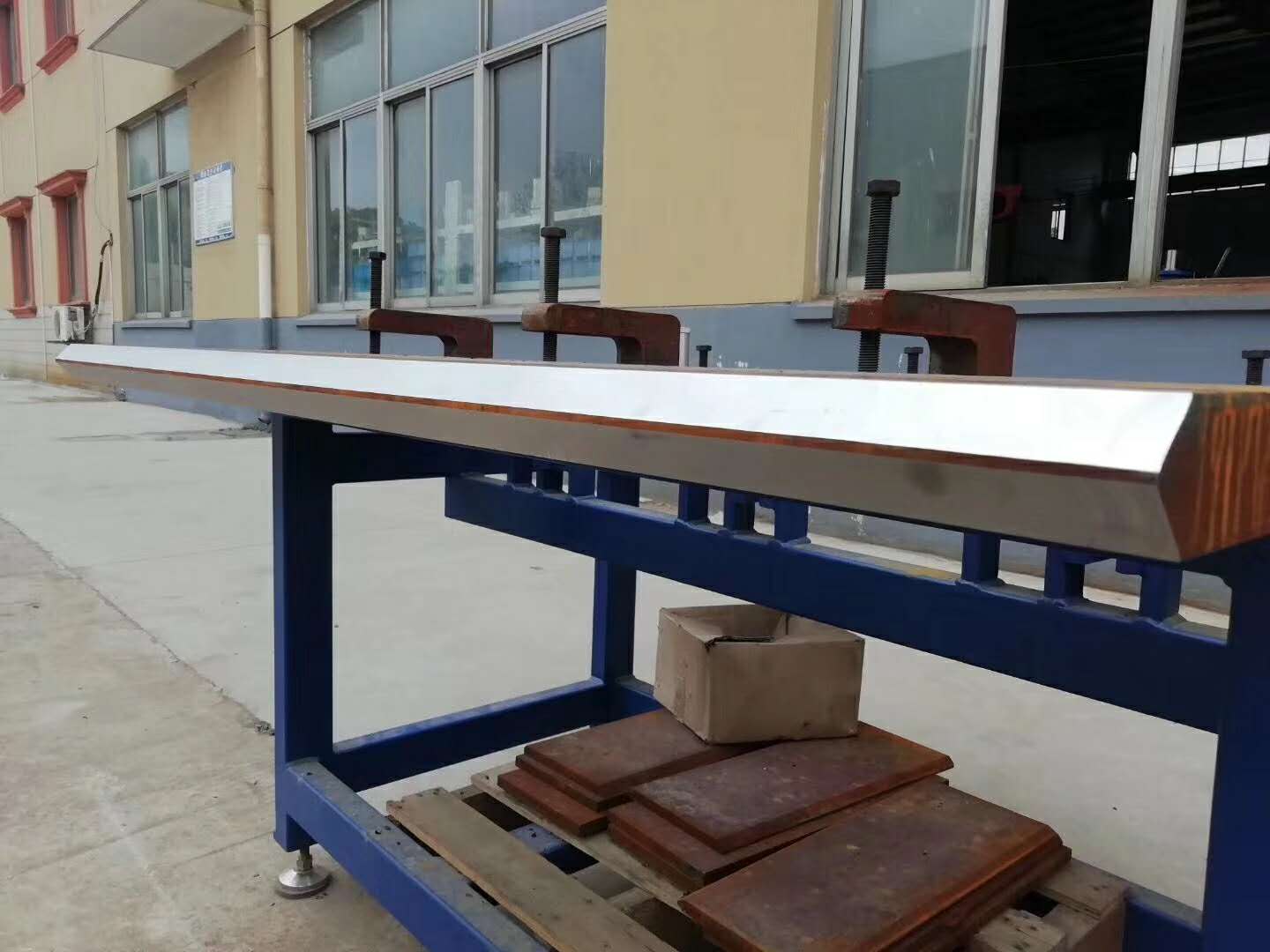
A bevel angle refers to the angle formed between the edge of a plate and a line that is perpendicular to that edge. Beveling is a critical process in metalworking, especially when preparing edges for welding or assembly. The angle of the bevel can significantly affect the strength and quality of the final joint.
Calculating Bevel Angles
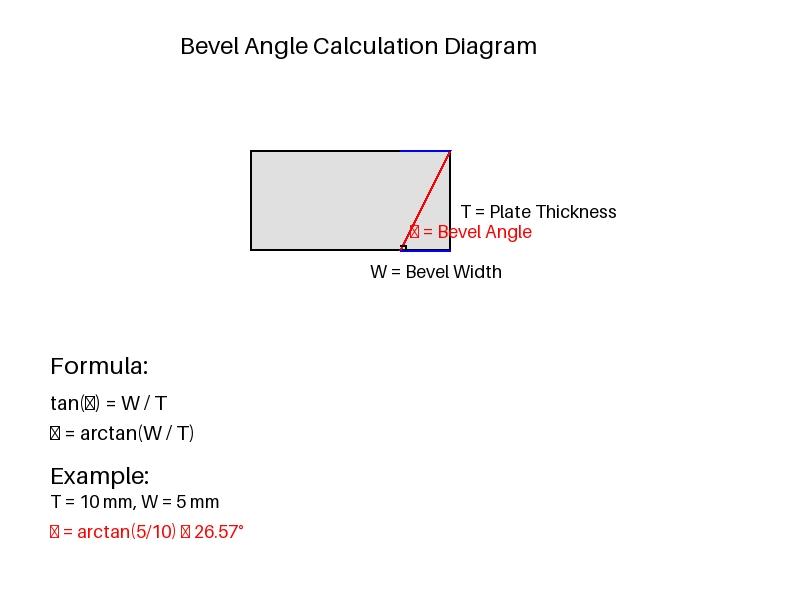
To calculate the bevel angle of a plate, you can use the following formula:
Identify the Thickness of the Plate (T): Measure the thickness of the plate you are working with.
Determine the Desired Bevel Width (W): Decide how wide you want the bevel to be.
Use the Tangent Function: The bevel angle (θ) can be calculated using the tangent function:
[\tan(θ) = \frac{W}{T}]
Calculate the Angle: To find the angle, use the arctangent function:
[θ = \arctan\left(\frac{W}{T}\right)]
For example, if you have a plate that is 10 mm thick and you want a bevel width of 5 mm, the calculation would be:
[θ = \arctan\left(\frac{5}{10}\right) = \arctan(0.5) \approx 26.57°]
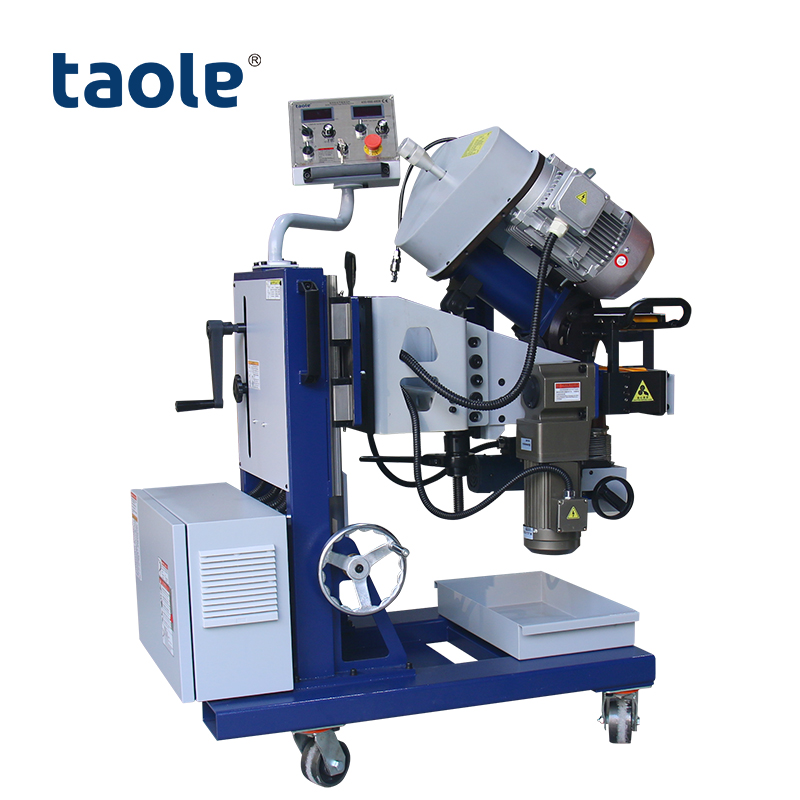
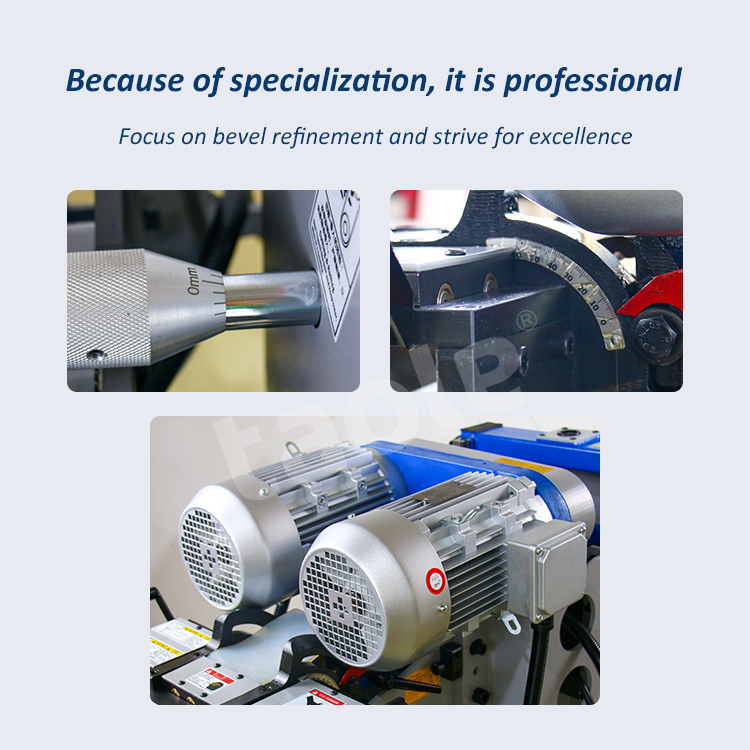
Plate beveling machines are specifically designed to create precise bevels on the edges of plates. These machines can handle various thicknesses and materials, making them versatile tools in any fabrication shop. They often come equipped with adjustable settings that allow operators to set the desired bevel angle, ensuring consistency across multiple pieces.
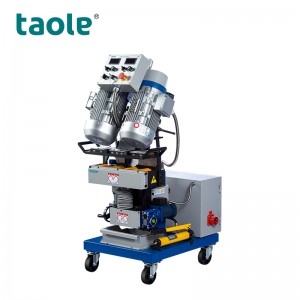
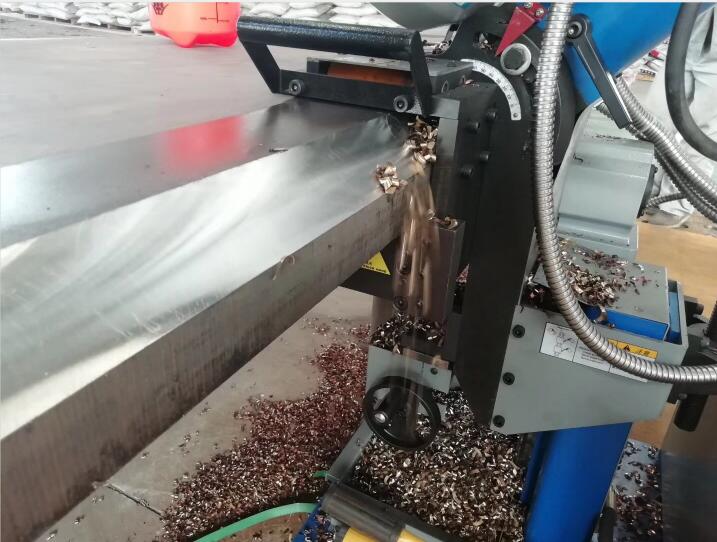
For those looking to achieve straight edges with a high degree of accuracy, double head edge milling machines are an excellent choice. These machines can mill both edges of a plate simultaneously, significantly increasing productivity. They are particularly useful for preparing edges for welding, as they can create clean, straight edges that fit together perfectly.
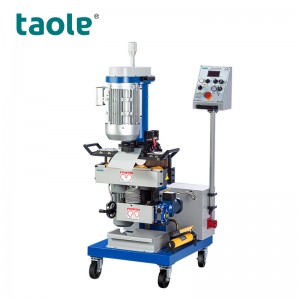
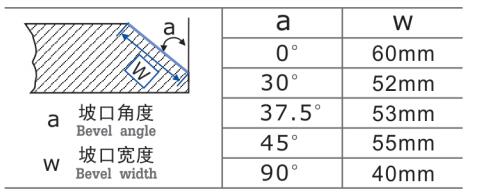
Edge milling machines are designed to provide a smooth finish on the edges of plates. They can be used to remove burrs, create chamfers, or prepare edges for further processing. When using an edge milling machine, it is crucial to ensure that the machine is calibrated correctly to achieve the desired edge profile.
Conclusion
Calculating the bevel angle of a plate is a fundamental skill in metal fabrication that directly impacts the quality of the final product. By understanding the relationship between plate thickness and bevel width, fabricators can ensure that their beveling processes are precise and effective. Utilizing advanced equipment such as plate beveling machines and double head edge milling machines can further enhance the efficiency and accuracy of edge preparation. Whether you are a seasoned professional or a newcomer to the field, mastering these techniques will undoubtedly elevate your metalworking capabilities.
Post time: Mar-05-2026