In the realm of metalworking, the process of beveling plays a crucial role in preparing materials for various applications. This technique is particularly significant when using specialized machinery such as welding edge milling machines, plate edge beveling machines, and metal working beveling machines. Understanding the purpose of beveling can enhance the quality and efficiency of metal fabrication processes.
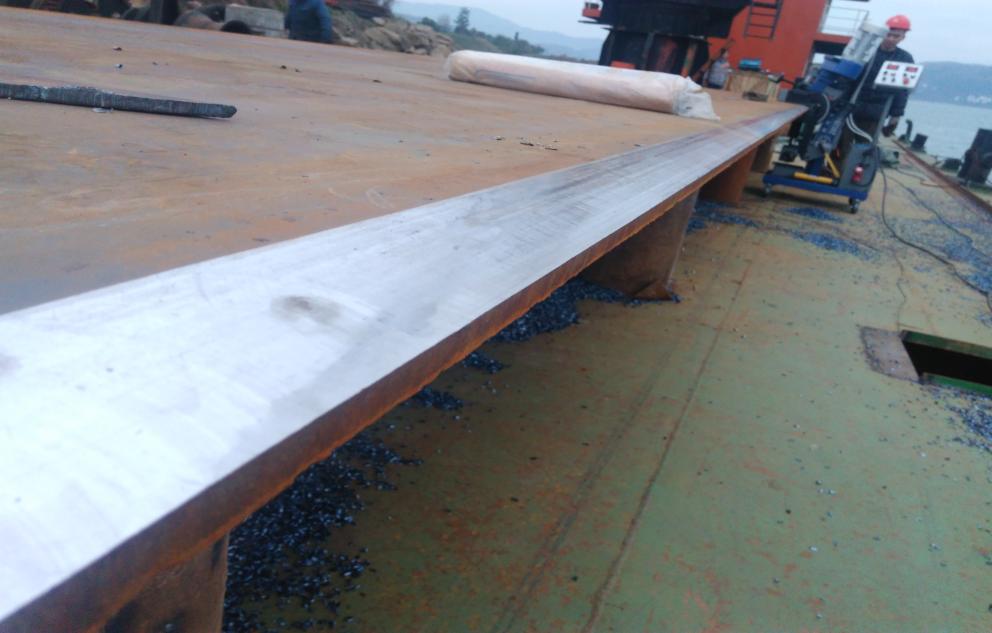
beveling refers to the process of creating a sloped edge on a workpiece, typically at an angle to the surface. This is achieved through various methods, including machining, grinding, or using dedicated beveling machines. The primary purpose of beveling is to facilitate better joint preparation for welding, which is essential in ensuring strong and durable welds.
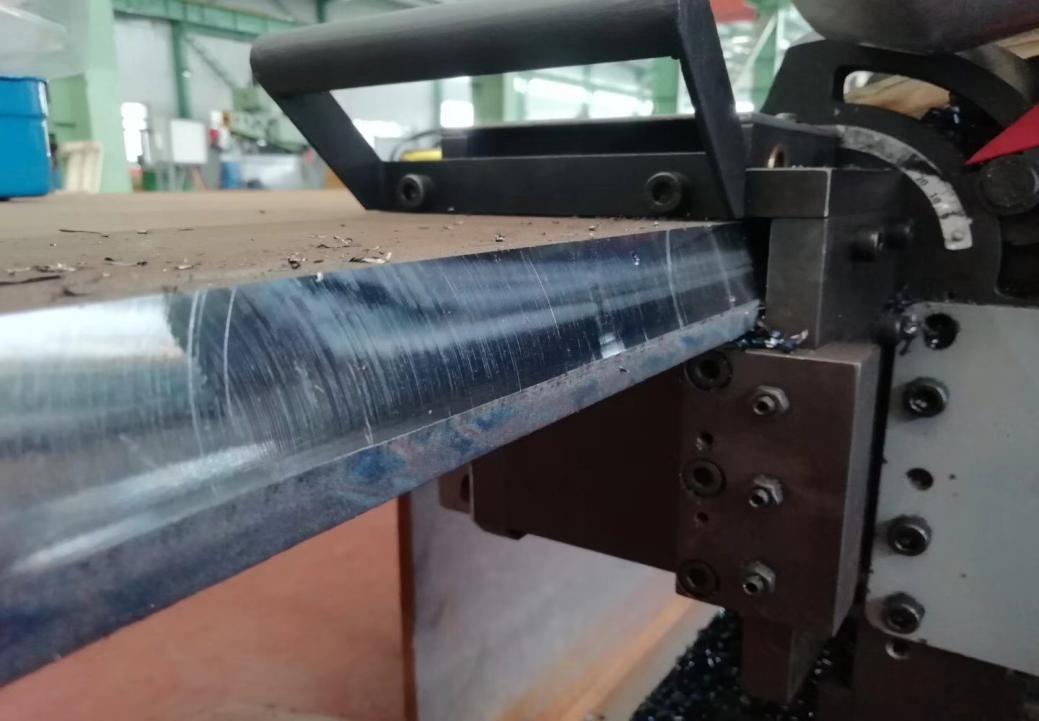
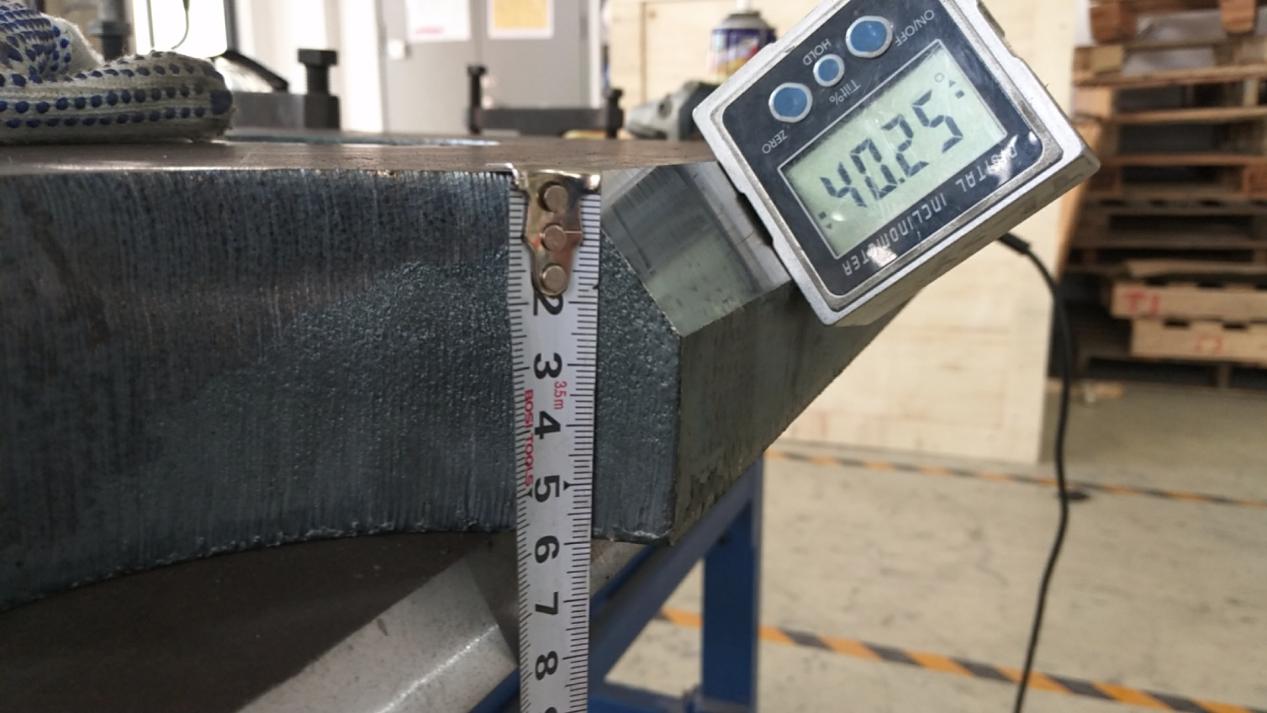
One of the key advantages of using a welding edge milling machine for beveling is the precision it offers. These machines are designed to create consistent bevels on the edges of metal plates, ensuring that the angles are uniform and meet the specifications required for welding. A well-prepared edge allows for a larger surface area for the weld, which can significantly improve the strength of the joint. This is particularly important in industries such as construction, shipbuilding, and automotive manufacturing, where structural integrity is paramount.
Plate edge beveling machines are specifically engineered to handle thicker materials and larger plates. They can efficiently bevel edges at various angles, making them versatile tools in metalworking shops. The purpose of using these machines extends beyond just preparing edges for welding; they also help in reducing the risk of defects such as undercuts or incomplete fusion, which can occur if the edges are not properly prepared. By ensuring that the bevels are accurately shaped, these machines contribute to the overall quality of the final product.
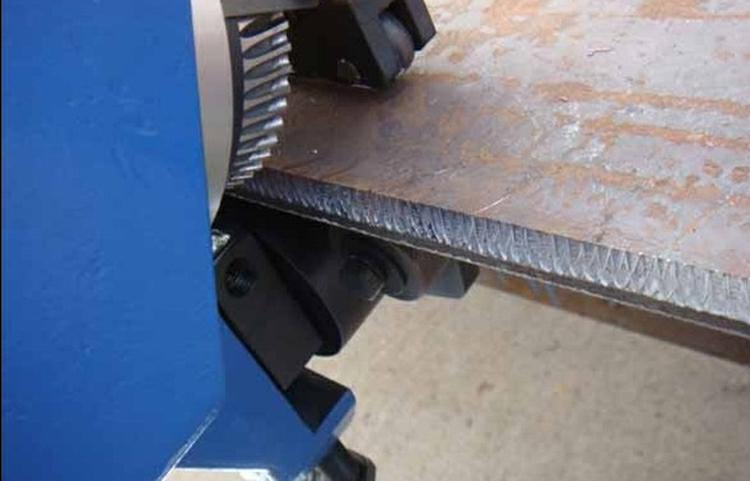
Moreover, metal working beveling machines are designed to enhance productivity. Traditional methods of beveling can be time-consuming and labor-intensive, often requiring manual labor and multiple passes to achieve the desired results. In contrast, modern beveling machines automate the process, allowing for faster production rates and consistent quality. This efficiency is particularly beneficial in high-volume manufacturing environments, where time and precision are critical.
Another important aspect of beveling is its role in safety. Sharp edges on metal plates can pose hazards during handling and assembly. By beveling the edges, manufacturers can create smoother transitions that reduce the risk of injury to workers. Additionally, bevelled edges can help in the assembly process, allowing parts to fit together more easily and securely
Post time: Feb-27-2026