TDM Series: Automated Slag Removal for Post-Cutting Applications
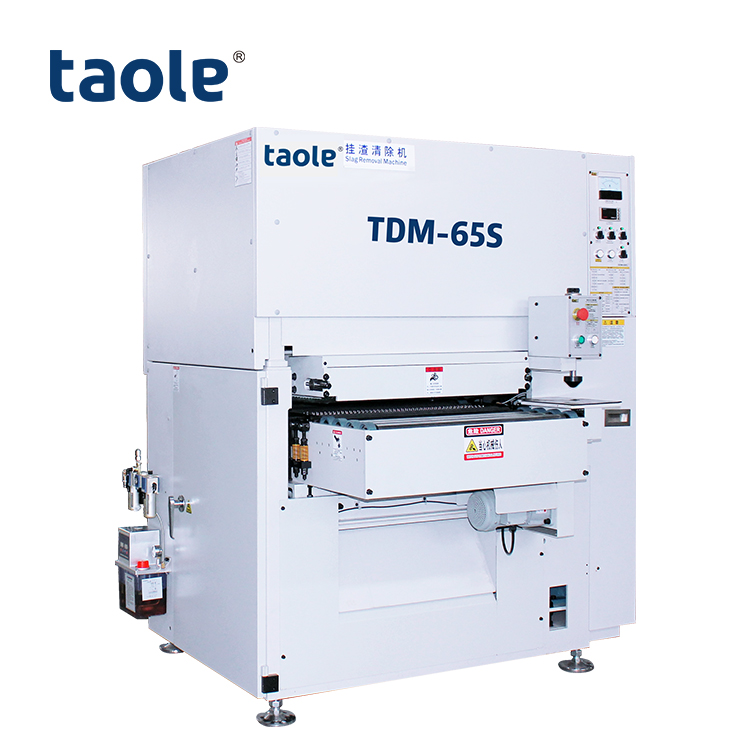
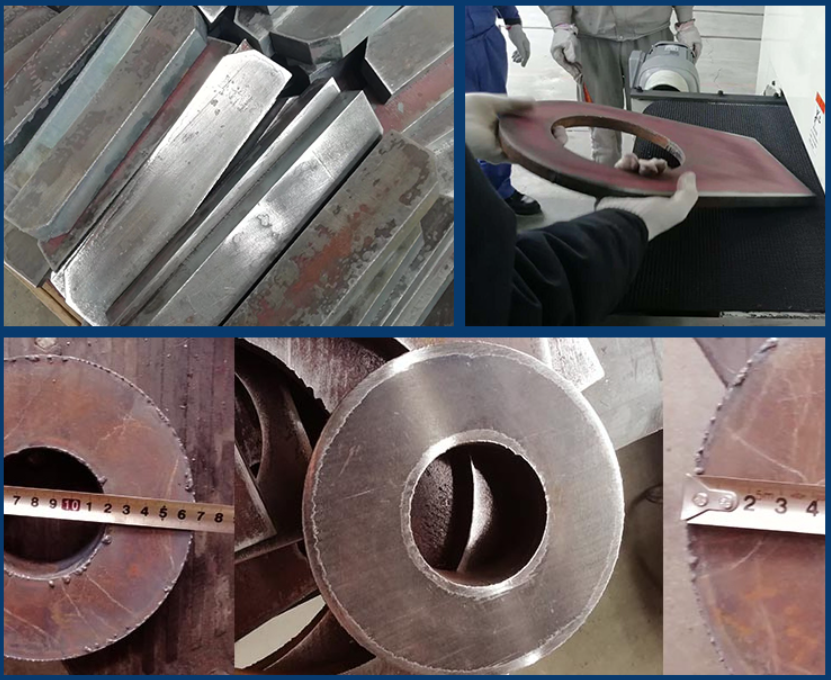
The TDM-65S represents a significant advancement in automatic metal plate deslagging and sheet metal deburring technology. Designed to process round holes, curves, and straight edges following gas cutting, laser cutting, or plasma cutting operations, this dustproof automatic metal plate deslagging machine achieves processing speeds of 2–4 meters per minute. With a maximum plate width capacity of 650mm and the ability to handle plate thicknesses from 6mm up to 100mm, the TDM-65S addresses a wide spectrum of industrial requirements.
Key technical specifications include a conveyor and roller material feed system, abrasive belt dimensions of W665mm x L1900mm, and a total power consumption of 5.2KW. The machine operates on 3-phase power supplies compatible with 220V, 380V, or 415V at 50Hz, making it adaptable to various international electrical standards. With a dust collection air volume of 25 cubic meters per minute through a 150mm diameter extraction port, the TDM-65S maintains a clean working environment while efficiently removing welding slag and burrs from processed metal surfaces.
GCM-R3T: Precision Edge Rounding for Paint-Ready Applications
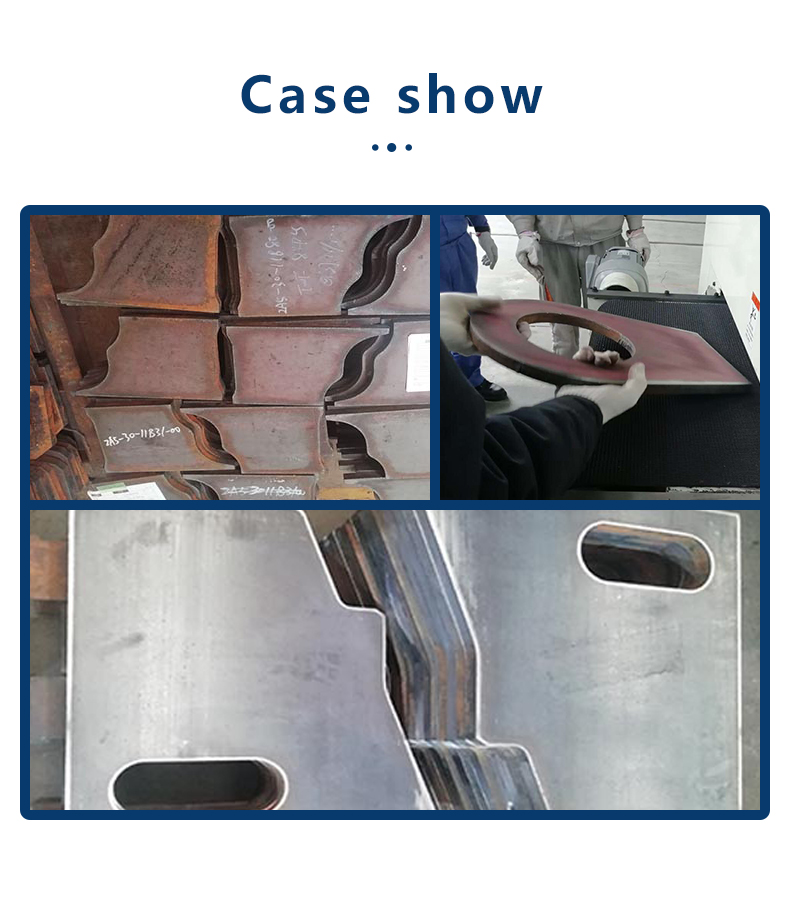
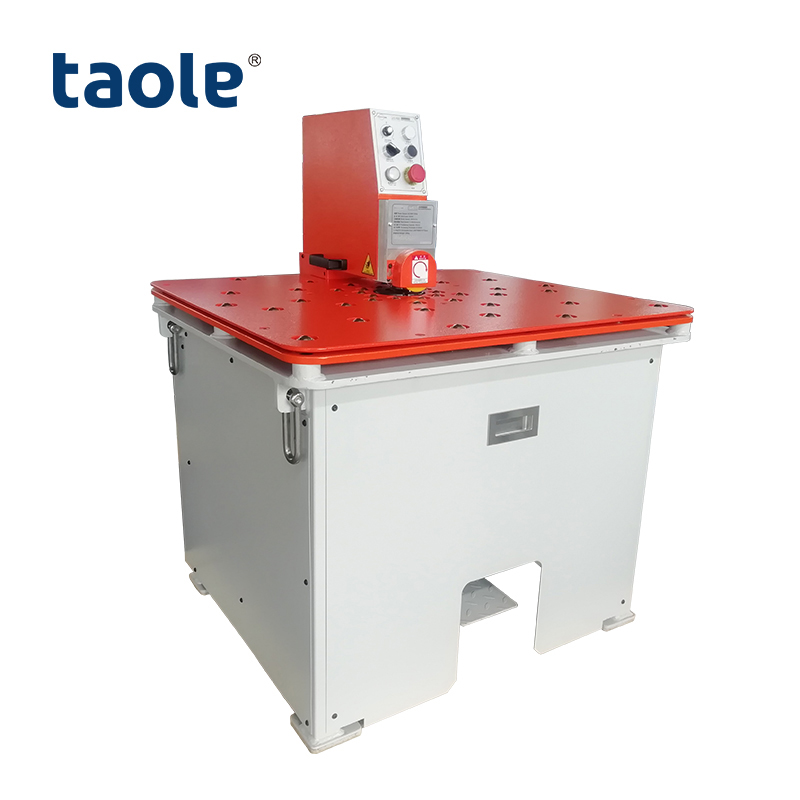
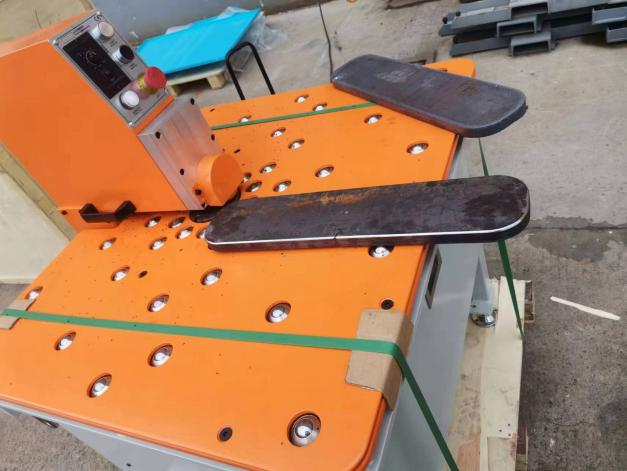
For applications requiring radius edge preparation before painting, the GCM-R3T rounding machine delivers a specialized solution that has become essential for steel fabricators worldwide. This edge rounding equipment creates precise radius edges—typically R2, R3, or C3 configurations—in a single pass, eliminating the time-consuming grinding methods traditionally employed. The GCM-R3T operates at feed speeds ranging from 0 to 6000mm per minute, with a spindle speed of 2800 RPM, ensuring both efficiency and consistency in edge preparation.
The machine accommodates clamp thicknesses from 6mm to 40mm and requires a minimum clamp width of 80mm, with processing lengths starting from 300mm. Powered by a 790W motor and requiring 0.5–0.8 MPa air pressure, the GCM-R3T utilizes standard milling heads with carbide inserts for cost-effective maintenance. Its compliance with Ballast Tank PSPC standards makes it particularly valuable for shipyard applications where corrosion resistance and coating adhesion are paramount concerns.
Industry Trends Driving Demand for Edge Rounding Solutions
The global market for edge rounding metal machines and corner beveling machine systems continues to expand as manufacturers recognize the operational and safety benefits of automated edge processing. According to industry analysts, the metal deburring and edge rounding equipment market is experiencing steady growth driven by increasing automation in metal fabrication, stricter workplace safety regulations, and the adoption of international coating standards like PSPC.
Modern edge rounding equipment goes far beyond basic burr removal, delivering controlled edge radiusing—often up to a 2mm radius—oxide removal, and uniform surface preparation. These capabilities are particularly critical in industries such as shipbuilding, where the Performance Standard for Protective Coatings (PSPC) mandates specific edge profiles to ensure coating durability and corrosion resistance. Similarly, construction and structural steel applications benefit from rounded edges that improve paint adhesion and reduce the risk of coating failure at sharp corners.
https://www.bevellingmachines.com/gcm-r3t-rounding-machine.html
Conclusion
As the manufacturing industry continues to prioritize surface quality, worker safety, and coating performance, edge rounding metal machines and corner beveling machine technologies will remain essential investments for fabrication shops, shipyards, and construction companies. Taole's TDM and GCM series represent the convergence of automation, precision, and compliance that modern industrial applications demand. With processing capabilities ranging from heavy slag removal to fine radius edge preparation, these machines address the full spectrum of metal edge processing requirements in today's competitive manufacturing environment.
Frequently Asked Questions (FAQ)
1. What is the difference between an edge rounding machine and a corner beveling machine? An edge rounding machine creates a rounded or radius profile on metal edges to improve safety and coating adhesion, while a corner beveling machine typically creates an angled chamfer on the edge. Both processes prepare metal edges for subsequent treatment, but edge rounding is specifically required by standards like PSPC for optimal coating performance.
2. What materials can the TDM-65S slag removal machine process? The TDM-65S is designed to remove slag and burrs from metal plates processed by gas cutting, plasma cutting, and laser cutting. It can handle plate thicknesses from 6mm to 100mm and maximum plate widths of 650mm, making it suitable for a wide range of carbon steel, stainless steel, and alloy steel applications.
3. Why is edge rounding important before painting metal surfaces? Edge rounding is critical for paint adhesion and corrosion resistance. Sharp edges can cause coating films to thin or fail, leading to rust buildup. Rounded edges provide better surface area for paint adherence and eliminate stress concentration points where coating failure typically initiates. This is why standards like PSPC mandate specific edge radius requirements.
4. What radius options are available with the GCM-R3T rounding machine? The GCM-R3T can produce radius edges of R2, R3, C2, and C3 configurations, with potential for additional radius options from R2 to R5 depending on tooling. The machine uses standard milling heads with carbide inserts that can be replaced as needed, providing flexibility for different edge preparation requirements.
5. How does cold cutting technology benefit edge rounding operations? Cold cutting technology, as employed in Taole's edge rounding equipment, avoids the thermal damage associated with grinding or other heat-generating processes. This prevents indentation, oxide layer formation, and metallurgical changes that can compromise surface integrity. The result is a clean, precise edge that meets the highest quality standards for coating and welding applications.
Post time: Jun-03-2026